
Workshop
Influence with Clarity
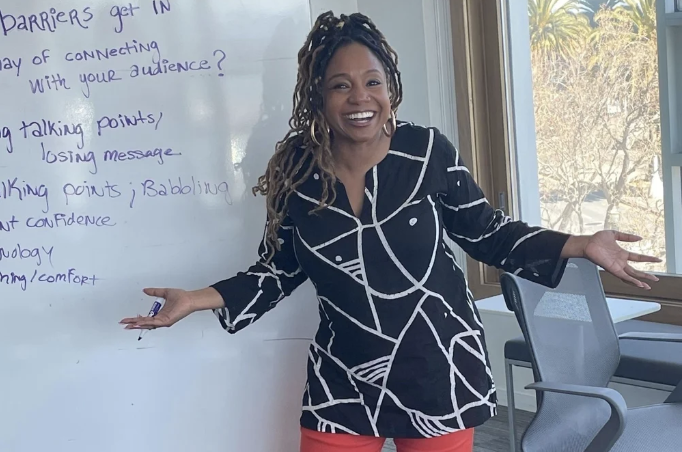
From complex to simple
The Details
Intended audience: Technical teams, scientists, and engineers who want to communicate with clarity, confidence, and strategy—so their ideas are understood, trusted, and acted on.
Great ideas don’t sell themselves. Influence isn’t only about technical rigor—it’s also about how you communicate: choosing what to share, how to frame it, and how to meet people where they are. This workshop helps engineers shift off autopilot and communicate strategically—so stakeholders see the value, faster.
What participants gain: You’ll learn strategic prep—how to include just enough context to engage without overwhelming. You’ll practice clear, concise messaging so your point lands in one pass. You’ll build stronger stakeholder relationships by reframing from “pushing a solution” to “same-team problem solving.” And you’ll sharpen credible delivery—using pacing, pausing, and eye contact to increase trust and influence.
Agenda:
Prepare with Purpose: Understand the bigger picture and shape your message around what your audience needs. Learn a simple preparation framework to do that.
Speak with Clarity and Conciseness: Learn two simple structures to organize your message in a way that is simple and easy to understand. Learn easy strategies to get more information from your audience so they talk more, and you talk less. Evolving your idea as you learn more information.
Show up with Presence: Learn simple reframes of how to go from a “blocker” to thought partner. Learn best practices for delivery (pacing, pausing, eye contact) that increase connection and your ability to influence.
Each agenda item involves time for group discussion and practice for feedback.
Class Size: Ideally up to 15 for maximum practice, but can also do up to 25
Format: 2 hours virtual or 3 hours in person